Tower Hamlets rules for rubbish and house clearance in Bow
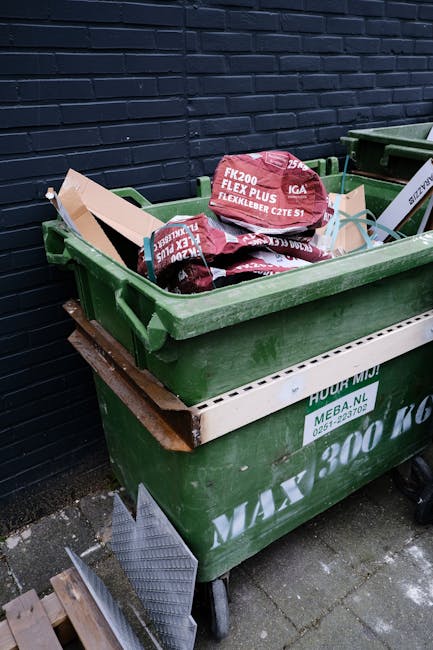
If you are clearing a flat in Bow, emptying a house after a move, or trying to shift a pile of mixed rubbish from a garden or hallway, the rules can feel oddly specific. One minute you are dealing with council expectations around waste presentation, the next you are wondering whether a sofa, fridge, or bag of builders' rubble needs special handling. That is exactly why understanding the Tower Hamlets rules for rubbish and house clearance in Bow matters before you start loading bags, booking a collection, or hiring a skip.
In simple terms, the safest approach is to match the right disposal method to the right waste stream, keep anything hazardous out of mixed rubbish, and make sure anything placed on the street is allowed. Sounds basic, but in practice it is where people get caught out. This guide walks through the local considerations, the practical options, and the common mistakes that lead to delays, extra charges, or a very awkward phone call. Let's keep it straightforward.
Why Tower Hamlets rules for rubbish and house clearance in Bow Matters
Bow is a busy part of East London, and that changes the waste picture quite a bit. Flats often have limited access, streets can be tight, parking is at a premium, and shared entrances mean a clearance job can affect neighbours quickly. If rubbish is left in the wrong place, or if a house clearance mixes normal household items with restricted waste, the job can go from tidy to messy in a hurry.
There is also the practical side. House clearance is rarely just "throw everything away". You may have furniture, old carpets, broken appliances, paperwork, garden waste, or leftover renovation materials all in one property. Tower Hamlets rules and normal UK waste practice both push you towards separating materials properly and using an approved route for disposal. That protects you, keeps the street safer, and reduces the chance of a rejected collection.
And truth be told, people often only think about the rules after they have already moved the pile outside. By then, if the waste is blocked from collection or a permit is missing, you are paying for time you did not need to spend. A little planning saves a lot of noise, dust, and stress.
How Tower Hamlets rules for rubbish and house clearance in Bow Works
The basic principle is simple: your waste must be stored, presented, and removed in a way that does not create a hazard or nuisance. In Bow, that usually means thinking about four things before you book any clearance service:
- What type of waste you have: household, bulky items, garden waste, construction debris, or something hazardous.
- Where the waste will be kept: inside the property, on private land, or on the public highway.
- How it will be collected: skip, man and van, grab hire, wait and load, or a direct rubbish removal service.
- Whether any special handling is needed: electrical items, fridges, mattresses, confidential papers, or dangerous materials.
If you are using a skip, you may need to consider a permit if it goes on the road. If you are clearing a property and the waste can be removed quickly, a wait-and-load approach can sometimes be cleaner and easier. For many households, a service like house clearance or rubbish removal is the least disruptive route because it avoids bags hanging around for days.
For larger or more awkward loads, such as mixed household and renovation waste, you may get better value from skip hire or grab hire services. Each option has its own practical trade-offs, and that is where many people get stuck. What looks cheapest on paper is not always the cheapest once access, loading time, and sorting are factored in.
Key Benefits and Practical Advantages
Following the right clearance process in Bow is not just about staying on the right side of local expectations. It also makes the whole job cleaner, quicker, and less chaotic. A proper plan gives you more control over timing, which matters when you are dealing with estate agents, landlords, void properties, or a move-out deadline.
Some of the biggest benefits are pretty straightforward:
- Fewer delays: waste is less likely to be refused if it is sorted and presented correctly.
- Lower risk of extra charges: mixed loads and restricted items usually cost more to handle.
- Better access management: especially useful in narrow Bow streets and shared blocks.
- Cleaner handover: a tidy clearance helps when returning a rented property or preparing a sale.
- Safer working conditions: fewer trips, fewer loose items, less chance of injury.
There is also a small but real peace-of-mind factor. Once you know the waste is being handled properly, you stop second-guessing every bag and broken chair. That can be a relief in itself. One less thing rattling around in your head, especially on a busy week.
Who This Is For and When It Makes Sense
This guidance is relevant for all sorts of people in Bow. You might be a homeowner clearing an inherited property, a tenant leaving a flat at short notice, a landlord dealing with end-of-tenancy waste, or a small business clearing old stock and packaging. It also applies to tradespeople who need to remove builders' waste without turning a job site into a bottleneck.
It tends to make the most sense when you are dealing with one of these situations:
- A full or partial house clearance after a move, refurbishment, or bereavement.
- A bulky item clear-out from a flat, garage, loft, or shed.
- A mixed load of domestic waste and light refurbishment debris.
- Waste that includes a mattress, sofa, fridge, or appliance.
- A property with limited parking, controlled access, or shared stairwells.
If you are only removing a few black bags, a full clearance service may be overkill. If the pile has grown into something that makes you sigh every time you walk past it, then a more structured approach is probably worth it. You know the type. The "we'll deal with it later" pile. Later tends to arrive with interest.
For awkward access or time-sensitive clearances, some people also look at man and van or wait and load skip hire, especially where a skip sitting outside is not practical.
Step-by-Step Guidance
If you want to avoid hassle, a simple process works best. Here is the method we would usually recommend when planning a clearance in Bow.
- Walk through the property first. Make a room-by-room list of what is going, what is staying, and what needs special handling.
- Separate the waste types. Keep general rubbish apart from electricals, metals, confidential papers, and hazardous items.
- Check access properly. Measure doorways, stairwells, and any awkward corners. In older Bow properties, this step matters more than people expect.
- Decide on the removal method. For larger loads, compare domestic skip hire, rubbish removal, and grab lorry hire.
- Check if a permit may be needed. If a skip is going on the public highway, look at skip hire permits or skip permits.
- Book the right service window. If access is tight or neighbours are sensitive to noise, a shorter collection slot can be easier to manage.
- Keep restricted items separate. Fridges, paint, gas canisters, chemicals, and broken screens may need special handling through hazardous waste disposal or an appliance-specific route.
- Confirm loading expectations. Know whether the price includes labour, collection time, sorting, or disposal fees.
A useful rule of thumb: if you are unsure whether an item is allowed, do not assume. Ask first. That tiny pause can save a whole chain of admin later.
Expert Tips for Better Results
A clearance goes more smoothly when you think like the crew, not just like the person who wants the room empty. Here are a few practical habits that make a real difference.
- Keep walkways clear. Even a narrow route from the front room to the door can speed up the whole job.
- Break down furniture where sensible. Flat-pack-style handling is usually easier than wrestling with an intact wardrobe through a stairwell.
- Store paperwork separately. If you have files, letters, or client records, look at confidential shredding before everything gets mixed together.
- Think about noise timing. Early morning collections in a quiet street can be efficient, but not always neighbour-friendly.
- Use the right container size. Too small and you are paying for extra trips; too large and you may be paying for space you do not use. Checking skip sizes and prices is a sensible first move.
Small thing, but worth saying: label what is staying. I have seen perfectly good lamps, documents, and spare keys nearly vanish into a clearance pile because nobody was quite sure which box was which. A bit annoying, honestly.
If the clearance includes furniture in decent condition, it can be worth deciding early whether some items can be donated or reused rather than tipped. That is often better for the property, better for the conscience, and sometimes better for the budget too.
Common Mistakes to Avoid
Most clearance problems in Bow are not dramatic. They are just the usual everyday mistakes that snowball. The good news? They are easy enough to avoid once you know what they are.
- Leaving waste on the street too early. If collection is delayed, you may create a nuisance or a permit issue.
- Mixing prohibited items with general rubbish. This is a classic way to trigger a rejected load.
- Forgetting about access restrictions. Tight staircases, parking controls, and lift limitations can slow everything down.
- Underestimating how much waste there is. One full room often turns into two. It happens all the time.
- Choosing the wrong method for the job. A skip is not always the best answer, and a man and van is not always enough.
- Ignoring special items. Appliances, mattresses, and bulky sofas are common stumbling blocks. See fridge and appliance removal and mattress and sofa disposal for examples of item-specific handling.
Another mistake, and it sounds minor but bites people often, is assuming all waste is treated the same once it leaves the property. It is not. Sorting still matters, and disposal pathways still matter. That is the bit most people never see.
Tools, Resources and Recommendations
You do not need fancy tools for a clearance, but a few practical resources help a lot. A tape measure, sturdy gloves, contractor bags, marker pens, and a basic checklist can take the edge off a job straight away. For larger clearances, a simple floor plan sketch can be surprisingly useful when deciding where the waste will come from and how quickly it can be moved.
On the service side, it helps to compare a few options before booking:
- House clearance for full-property or room-by-room emptying.
- Rubbish removal for quicker, labour-led collections.
- Skip hire when you need a set container for ongoing loading.
- Grab hire services for larger loose loads or hard-to-manage waste.
- Construction waste disposal if the clearance includes renovation debris.
You can also explore recycling and sustainability if you want a clearer sense of how mixed waste is typically sorted and recovered. That is often useful for anyone trying to reduce landfill use without making the job overcomplicated.
For booking, quote checks, or general service planning, pricing and quotes and book online are the most practical next steps if you already know what you need.
Law, Compliance, Standards, or Best Practice
Here is the careful version: waste collection and disposal in London needs to follow UK waste law and accepted duty-of-care practice. In plain English, that means you should use a legitimate waste carrier, keep waste descriptions honest, and make sure hazardous materials are handled correctly. It also means the person producing the waste still has responsibilities, even after the items leave the property.
For Bow residents, the safest practical standard is to treat compliance as part of the job, not an extra. That includes:
- not placing waste where it creates danger or obstruction,
- checking whether a street-side skip needs permission,
- separating hazardous or electrical items,
- keeping paperwork or business records secure,
- using suitable handling for bulky or awkward items.
If you are dealing with trade waste, commercial waste, or mixed refurbishment debris, the expectations are even stricter in practice. A trade job that starts as "just a few bags" can quickly become a compliance issue if plasterboard, timber, insulation, or other restricted materials are mixed together. For that kind of work, builders waste removal or builders skip hire may be a cleaner fit.
When in doubt, be cautious. It is much easier to ask a question before collection than to explain a contaminated load after the fact.
Options, Methods, or Comparison Table
Different clearance methods suit different Bow properties. A basement flat with no parking is not the same as a house with a driveway, and a loft clearance is not the same as a shop refit. The table below gives a practical comparison.
| Method | Best for | Strengths | Watch-outs |
|---|---|---|---|
| House clearance | Full or partial property emptying | Convenient, structured, good for mixed household items | May not suit very small jobs |
| Rubbish removal | Quick clear-outs and bulky collections | Fast, simple, less disruption | Can be less efficient for larger ongoing loads |
| Skip hire | Projects with waste generated over time | Flexible loading, good for DIY and renovations | May need a permit if on the highway |
| Grab hire | Large loose waste piles and heavier materials | Good for bulk, can handle awkward access better | Not always ideal for indoor-only clearing |
| Wait and load | Roadside collections with limited parking time | Useful where a skip would be inconvenient | Needs the waste ready to go |
For a lot of Bow properties, the decision comes down to access and speed. If you can load a skip without upsetting the street, that may be fine. If not, a labour-led clearance often saves everyone a headache.
Case Study or Real-World Example
Picture a two-bedroom flat near Bow Road. The tenant has moved out, the landlord needs the place ready for viewings, and the cupboards are full of old pans, broken blinds, a disassembled bed frame, a tired sofa, and a couple of small appliances. There is no driveway, the street is busy, and the lift is tiny. Classic East London logistics, really.
In that situation, a full skip may not be the neatest option if it blocks parking or needs a permit that slows the timetable. Instead, a mix of house clearance and appliance removal can be more practical. The crew can clear furniture, separate reusable items where possible, and remove the bulky waste in one organised visit. If there is also a small amount of mixed rubbish, wait and load skip hire may work well if the collection can be done quickly from the kerb.
The useful bit here is not just the removal itself. It is the order. Once the sofa, white goods, and loose household rubbish are separated, the job becomes calmer, faster, and less likely to run into problems. That is usually what people want in the end: not a perfect theory, just a clear room and one less thing to deal with.
Practical Checklist
Use this before you book anything. It keeps the job tidy and stops last-minute surprises.
- Have you listed every room, cupboard, loft, shed, or storage area involved?
- Have you separated general rubbish from appliances, furniture, and hazardous items?
- Do you know whether any waste will go on the street or remain on private land?
- Have you checked if a permit may be needed for roadside placement?
- Is there enough access for collection vehicles, lifting, or loading?
- Have you identified anything that needs hazardous waste disposal or special handling?
- Are there confidential documents that should be destroyed separately?
- Have you decided whether a skip, grab lorry, man and van, or full clearance is best?
- Do you know your target date for the property to be clear?
- Have you checked the provider's terms and conditions and payment process?
If you can tick most of those off, you are already ahead of the game. Seriously. A bit of planning goes a long way.
Get a free quote today and see how much you can save.
Conclusion
The Tower Hamlets rules for rubbish and house clearance in Bow are not there to make life awkward. They are there to keep waste moving safely, protect the street, and make sure your clearance is handled in a sensible way. Once you know the basics, the whole process becomes much less stressful.
The real trick is to match the method to the job. Small loads, tight access, bulky items, mixed household waste, and renovation debris all need slightly different answers. Get that part right, and you save time, reduce risk, and keep the job under control. That is the kind of boring success people actually like.
If you are ready to sort a property in Bow without the usual faff, start by checking the waste type, access, and collection method. Then book with confidence and get the place back to calm. A clear room really does feel better when the dust settles.
Frequently Asked Questions
Do I need a permit for a skip in Bow?
If the skip is going on the public highway, a permit may be needed. If it stays entirely on private land, it may not. The exact requirement depends on where it is placed, so it is worth checking before booking.
What is the best option for a full house clearance in Bow?
For a full property emptying, house clearance is often the most practical choice. It is especially useful when you have furniture, mixed household waste, and a time limit.
Can I put a fridge or freezer into a general rubbish load?
No, that is usually not the right approach. Fridges and freezers need separate handling because of the materials and components involved. Look at fridge and appliance removal for the appropriate route.
What should I do with confidential papers during a clearance?
Keep them separate and use a dedicated destruction route such as confidential shredding. It is a small step, but it protects privacy and stops documents being mixed into general waste.
Is skip hire or rubbish removal better for Bow properties?
It depends on access, volume, and how quickly the waste needs to go. Skip hire works well for ongoing loading, while rubbish removal is often better for quick, labour-led clear-outs.
What happens if I mix the wrong items in a skip?
The load may be rejected, reclassified, or cost more to process. That is why checking what can go in a skip before you start is so useful.
Can I use wait and load instead of leaving a skip outside?
Yes, in many situations that is a very sensible option, especially where parking is tight or a roadside skip would be awkward. Wait and load skip hire is worth considering for those jobs.
How do I know which skip size I need?
Start by estimating the volume of waste rather than the number of items. A room full of bulky furniture needs a different approach from several neat bags. Checking skip sizes and prices helps you compare options without guessing.
Is construction waste treated differently from household rubbish?
Yes, it usually is. Construction and refurbishment debris often needs separate handling, especially if it includes plasterboard, bricks, timber, or mixed site waste. Construction waste disposal is the more suitable route in that case.
What if I only have a few bulky items, like a sofa and mattress?
That is often better handled with targeted bulky item removal rather than a full clearance. See mattress and sofa disposal for a more item-specific solution.
Can a house clearance include garden waste or loft items?
Yes, but it helps to mention that upfront so the collection plan can be matched to the waste. For outdoor materials, garden waste removal may be the cleaner fit, while lofts and storage areas often benefit from a broader clearance plan.
How do I choose a provider I can trust?
Look for clear service terms, sensible waste handling, transparent pricing, and a straightforward booking process. Pages like about us, health and safety policy, and insurance and safety can help you understand how a company approaches the job.
What is the simplest next step if I am not sure what I need?
Start by listing the waste, taking a few photos, and getting a quote. If you want a fast way to move forward, book online or review pricing and quotes so you can compare the most suitable options.